Clear Steps That Reduce Risk, Protect Crews, and Keep Job Sites Organized
Roofing projects create heavy waste, sharp debris, and busy job sites. Dumpsters help control the mess, but they also add safety risks if handled poorly. You need clear rules to prevent injuries, property damage, and delays. Smart planning, proper placement, and daily checks make a real difference. When crews know what to do and why it matters, sites stay safer. The sections below break down practical actions you can use on real jobs. Each point focuses on simple steps that protect workers, clients, and surrounding property.
Key Benefits With Proper Dumpster Planning
Good dumpster planning improves safety and keeps work moving. Using a reliable roofing dumpster rental helps control debris flow and limits loose materials. When waste goes straight into a container, fewer hazards sit on the ground. Crews walk safer paths and trucks load faster. Clean sites also reduce neighbor complaints and city fines. You gain better control of time, labor, and cleanup costs. These benefits add up during long or multi-day roofing projects.
Common Job Site Problems With Poor Dumpster Use
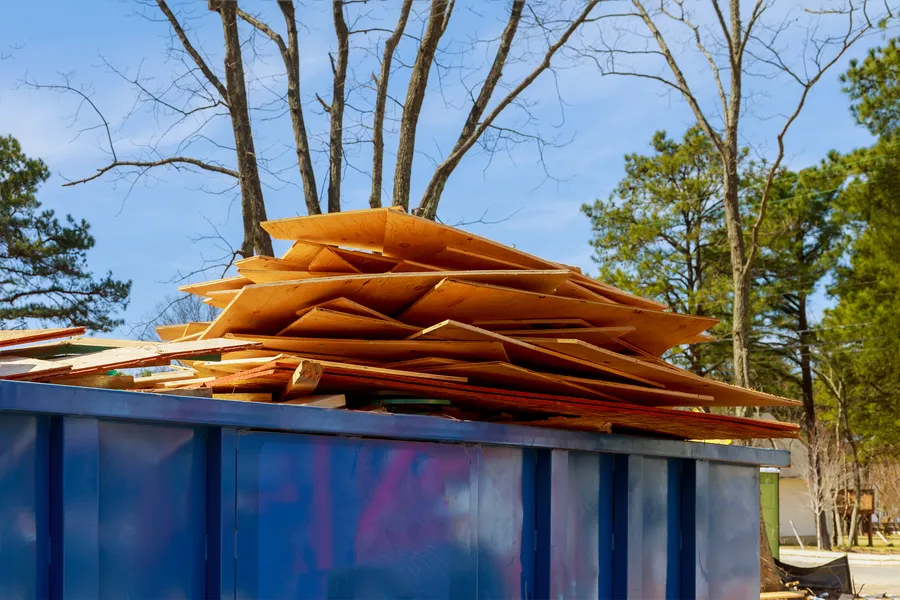
Many risks start when dumpsters are placed or used the wrong way. A rushed roofing dumpster rental decision can lead to blocked driveways or unstable ground. Overfilled containers cause debris to fall out during loading. Workers may climb inside dumpsters and risk falls or cuts. Sharp roofing nails often spill onto walk paths. These problems slow work and increase injury claims. Most issues are preventable with clear rules.
Choosing A Safe Location With Ground Protection
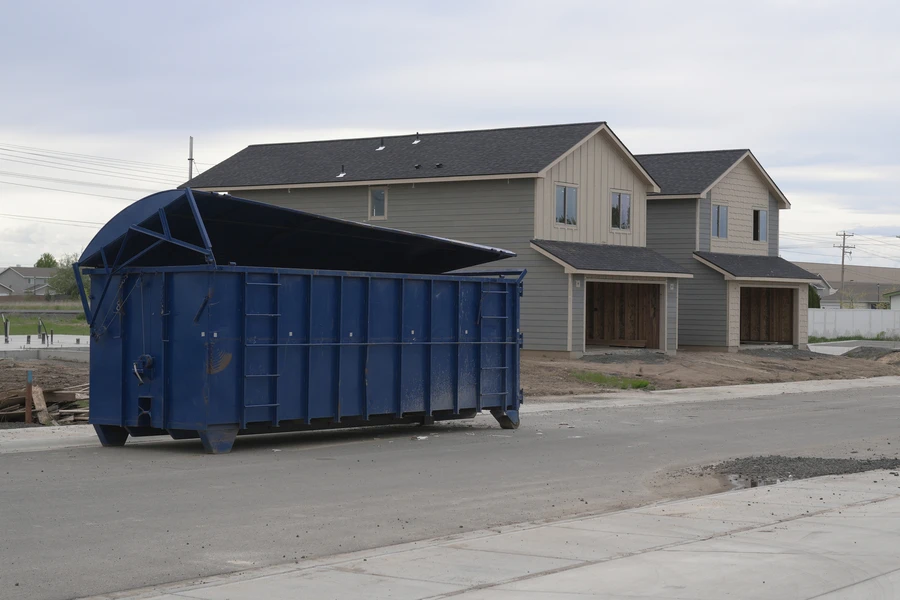
Location matters more than many people expect. Place the dumpster on flat, solid ground that can handle the weight. Avoid soft soil, slopes, and cracked asphalt. Use plywood sheets under wheels to spread weight and prevent damage. Keep the container clear of power lines and tree branches. Leave enough space for walking paths and equipment movement. Good placement lowers tip-over risk and protects the property owner.
Steps With Safe Loading and Daily Use
- Load debris evenly from front to back
- Keep materials below the fill line
- Throw nails and sharp objects carefully
- Close doors when not in use
- Check for shifting loads each day
Best Practices With Crew Safety Training
- Wear gloves and eye protection at all times
- Never climb inside the container
- Use chute systems for roof tear-offs
- Keep kids and visitors away from dumpsters
- Report damage or movement right away
Pros and Cons With On-Site Waste Containers
- Pros: faster cleanup and fewer loose hazards
- Pros: better job site organization
- Cons: added weight stress on surfaces
- Cons: requires space planning
Rules and Standards With Local Compliance
Local rules often control where dumpsters can sit and how long they stay. Many cities require permits for street placement. Some areas limit weight and material types. OSHA guidelines require clear walk paths and safe waste handling. Ignoring rules can lead to fines or forced removal. Always check city and state requirements before delivery. Compliance keeps projects on schedule and avoids legal trouble.
Cost Factors With Smart Safety Choices
Safety steps also protect your budget. Repairing driveways or paying injury claims costs far more than simple planning. Overloading fees increase hauler charges. Poor placement can require re-delivery fees. Using clear loading rules avoids extra pickup runs. Smart safety choices reduce long-term costs and protect profit margins.
Next Steps With Professional Dumpster Support
Located in Livonia, MI, we help contractors reduce risk through smart waste planning. Ace Dumpster focuses on safe containers, clear delivery timing, and job-ready advice. Our team works with crews to improve site safety and efficiency. Call (734) 772-9223 to discuss your project needs and setup details. We support safer roofing jobs from start to finish.