Simple Ways to Manage Job Site Waste Safely and Responsibly
Proper waste handling plays a major role on any building site. Crews deal with mixed debris, tight timelines, and local rules. Poor planning often leads to clutter, fines, or safety risks. Using the right disposal methods keeps a site clean and efficient. It also protects workers and nearby areas. When waste is sorted, moved, and removed the right way, projects stay on schedule. This guide explains clear practices that help control debris, reduce stress, and support responsible building from start to finish.
Key Benefits of Organized Job Site Waste Removal
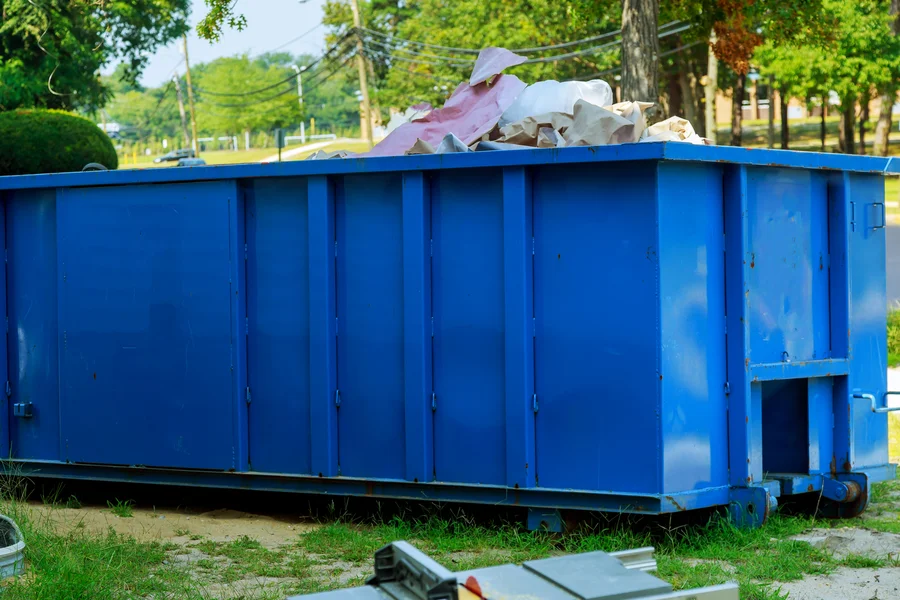
Using a construction dumpster rental improves safety and keeps work areas clear. Crews move faster when debris stays contained. Clean sites reduce trips and falls, which lowers injury risks. Waste separation also protects reusable materials. Many builders save time by setting one drop point for debris. This approach cuts hauling delays and keeps tools accessible. Clear waste plans also help you meet local rules without guesswork.
Common Problems Seen With Poor Disposal Planning
Many sites struggle when a construction dumpster rental is undersized or poorly placed. Overflow leads to illegal dumping and extra fees. Mixed waste can block recycling options. Crews may toss banned items without knowing rules. Poor placement can slow equipment movement. These issues often cause delays, neighbor complaints, and surprise costs. Planning ahead helps avoid these common failures.
Step by Step Process for Handling Debris Correctly
- Estimate debris volume before work begins
- Select a container size that matches the project scope
- Place the container near work zones but off traffic paths
- Post clear signs for allowed waste types
- Schedule timely pickups before overflow occurs
Best Practices That Support Safe and Clean Sites
- Train crews on what can and cannot go in containers
- Separate metals, wood, and concrete when possible
- Keep lids closed to prevent windblown debris
- Inspect fill levels daily during active work
Understanding Rules and Industry Requirements
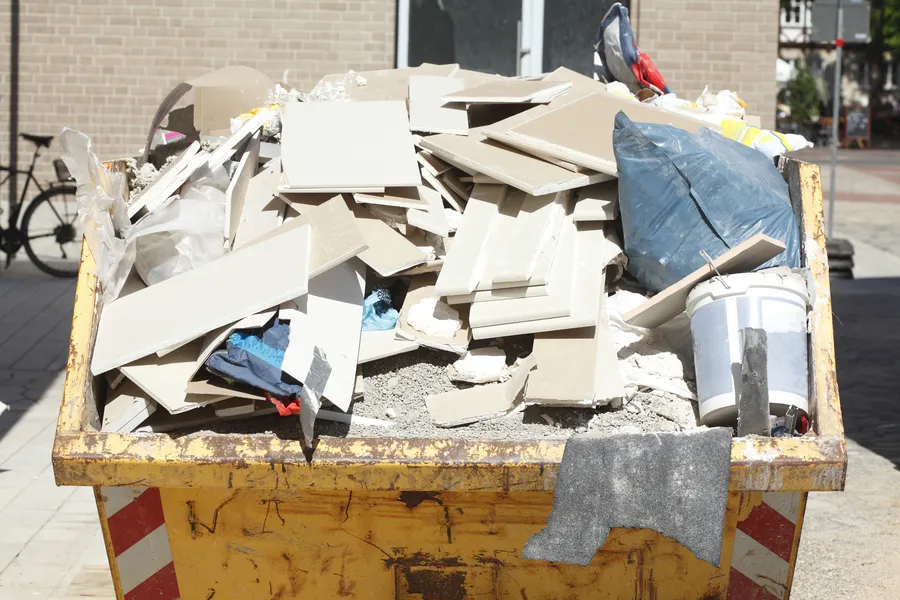
Local laws often control how debris is handled. Many cities ban paint, chemicals, and electronics from mixed waste. Weight limits protect roads and trucks. Permits may be required for street placement. Following these rules protects your project from fines. It also shows respect for the community. Always check city guidelines before delivery and pickup.
Comparing Costs and Value for Different Options
- Pros: predictable pricing, fewer trips, cleaner sites
- Cons: overage fees, space needs, planning time
Pricing depends on container size, rental length, and debris type. Heavier materials raise costs. Longer projects need flexible pickup schedules. While upfront costs matter, time saved often offsets expenses. Fewer delays mean labor stays productive. Clean sites also reduce damage to materials and tools.
Environmental Impact and Waste Reduction Goals
Smart disposal reduces landfill use and lowers emissions. Recycling concrete and metal saves energy. Wood can often be reused or ground into mulch. When waste streams stay clean, recycling rates increase. This supports green building goals and improves public perception. Responsible disposal shows you care about long term impact.
Next Steps for Reliable Dumpster Service Support
Located in Livonia, MI, we support safe and efficient debris handling for active projects. Ace Dumpster focuses on clear pricing, proper container placement, and timely pickups. Our teams help plan sizes and schedules that match real job needs. Call (734) 772-9223 to discuss options that keep sites clean, compliant, and on track.